YouTube’s AI Auto-Dubbing: Breaking Language Barriers and Making Content Global
By CNH Team
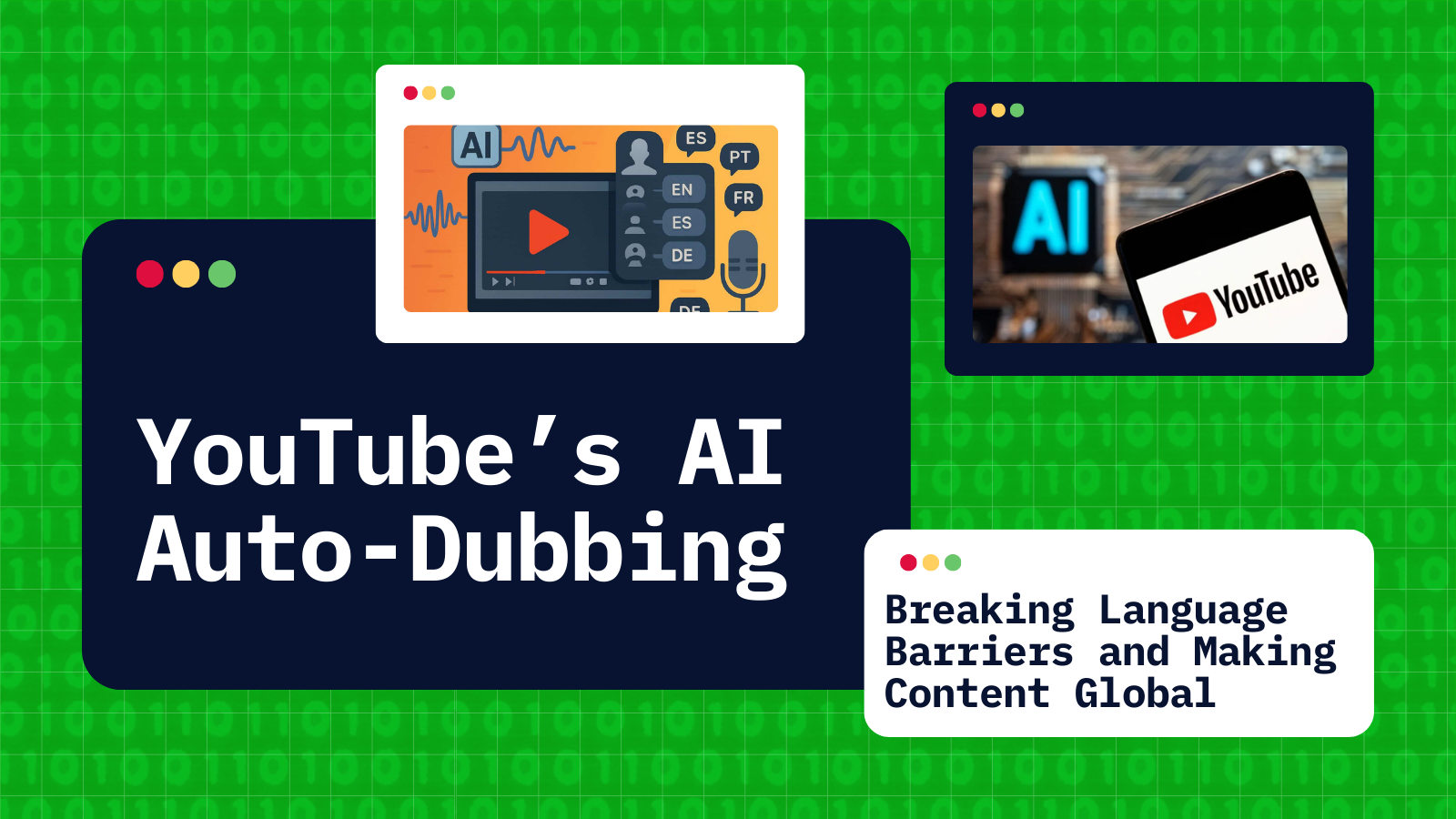
The digital world has always thrived on connection, but language barriers often stand in the way of truly global communication. While creators on YouTube have long dreamed of reaching international audiences, limited access to multilingual tools made this difficult. That dream is finally becoming a reality. YouTube has recently launched a groundbreaking AI auto-dubbing feature that not only translates content into multiple languages but also lip-syncs the video so it feels natural and authentic.
This innovation is more than just another tool—it’s a powerful step toward a truly global content ecosystem. Let’s dive deep into what this technology is, how it works, its potential, and the concerns creators should be aware of.
What is YouTube’s AI Auto-Dubbing?
YouTube’s AI auto-dubbing tool is an advanced feature that enables creators to automatically translate their videos into different languages while also syncing the lip movements of the speaker. Unlike basic subtitles or voiceovers, this system uses AI-driven speech synthesis and lip-syncing to create a seamless viewing experience.
Imagine watching a creator from Japan explain coding tips, and instead of struggling with subtitles, you hear their voice in fluent English with lips moving in sync. That’s the power of auto-dubbing.
How Does It Work?
YouTube’s auto-dubbing tool combines several layers of AI technology:
- Speech Recognition – AI transcribes the original audio.
- Machine Translation – The transcript is translated into the target language.
- Voice Cloning & Synthesis – The translated text is converted into speech, often mimicking the creator’s original tone and style.
- Lip-Sync Technology – AI adjusts lip movements in the video to match the translated audio.
The result? A video that feels as though it was originally recorded in the target language.
Why is This a Game-Changer?
This tool is poised to transform the way creators engage with audiences:
- Global Reach: A video in Hindi can instantly become accessible to viewers in English, Spanish, French, and beyond.
- Lower Production Costs: Creators no longer need expensive human translators or voice-over artists.
- Authentic Experience: Lip-syncing makes it feel more personal and immersive compared to subtitles.
- More Engagement: Viewers are more likely to watch dubbed videos fully than subtitle-heavy content.
For creators, this could mean 10x more reach without extra effort—turning regional channels into global powerhouses.
Economic and Social Impact
YouTube is the world’s second-largest search engine, and this feature could significantly reshape both digital economies and social interactions:
- Creators: Small creators can now compete globally, not just locally.
- Brands: Companies can advertise across regions with better cultural integration.
- Education: Tutorials, lectures, and online courses can reach students worldwide in their native languages.
- Culture Sharing: Local stories, traditions, and art can gain international exposure.
This levels the playing field, offering equal opportunities for creators regardless of their native tongue.
Potential Limitations and Concerns
While the promise of AI auto-dubbing is huge, there are challenges to consider:
- Translation Accuracy – Nuances, slang, and cultural references may still get lost in translation.
- Voice Authenticity – Though AI clones voices, they may sometimes sound robotic.
- Privacy Concerns – Uploading voice and face data to AI systems raises questions about security and misuse.
- Overreliance on AI – Human creativity in translation, like cultural sensitivity, may still outperform machines.
For now, it’s a powerful tool—but not flawless.
Step-by-Step: How Creators Can Use It
If you’re excited to try this feature, here’s a simple guide:
- Upload Your Video – Create and upload your original content as usual.
- Enable Auto-Dubbing – In YouTube Studio, select the AI auto-dubbing feature.
- Choose Target Languages – Pick the languages you want your video to be translated into.
- Preview & Edit – Review the dubbed version for accuracy and adjust where needed.
- Publish & Promote – Release your multilingual video and share it across audiences.
This streamlined process ensures even beginners can expand globally without needing technical expertise.
The Future of AI in Content Creation
YouTube’s AI auto-dubbing is only the beginning. In the coming years, we may see:
- Real-time dubbing during live streams
- Hyper-personalized content translation where AI adapts slang or dialect for different regions
- Integration with AR/VR platforms for immersive multilingual experiences
The ultimate goal is to eliminate language as a barrier altogether, allowing creators to connect with anyone, anywhere, instantly.
Final Thoughts
YouTube’s AI auto-dubbing is not just a feature—it’s a revolution. By merging translation, voice synthesis, and lip-syncing into one tool, it’s creating opportunities for creators to go truly global without breaking the bank. While there are valid concerns around accuracy and privacy, the benefits far outweigh the drawbacks.
As content creation continues to grow, this tool might just be the bridge that unites global communities, cultures, and audiences. For creators, the message is clear: the world is now your stage.